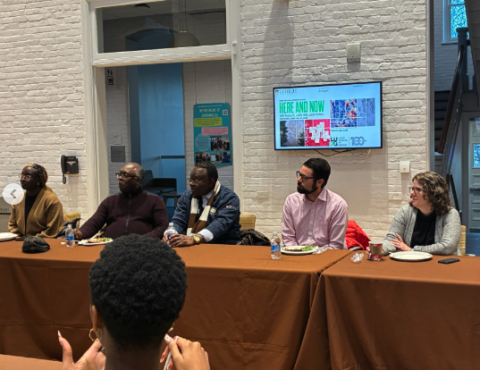
Asian and Asian American Studies program hosted Peter Hessler, author and staff writer for the New Yorker, last week. His narrative non-fiction workshop about his article "Dr. Don" drew a large crowd in Linderman 200.
Asian and Asian American Studies program hosted Peter Hessler, author and staff writer for the New Yorker, last week. His narrative non-fiction workshop about his article "Dr. Don" drew a large crowd in Linderman 200. Image …
Asian and Asian American Studies program hosted Peter Hessler, author and staff writer for the New Yorker, last week. His narrative non-fiction workshop about his article "Dr. Don" drew a large crowd in Linderman 200.
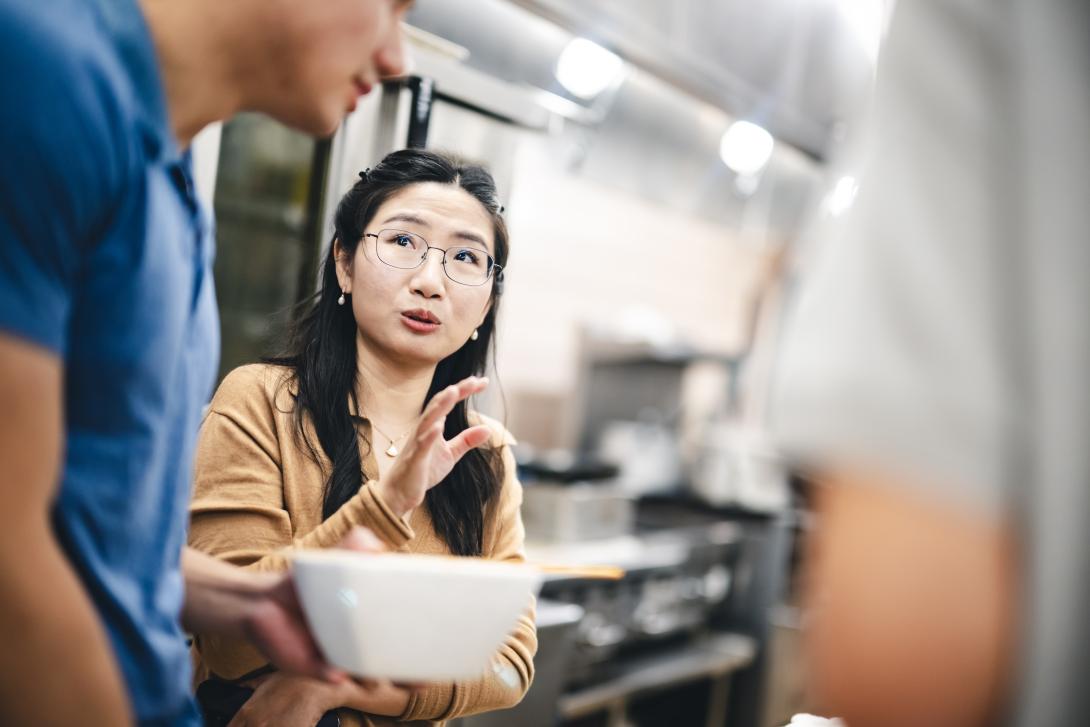
This year’s Lunar New Year celebration at Lehigh was organized by students of Asian Cultural Society (ACS). Participating student clubs brought food and traditional dishes, and each group had a chance to talk about what the foods represent in their countries. "It's a very…
This year’s Lunar New Year celebration at Lehigh was organized by students of Asian Cultural Society (ACS). Participating student clubs brought food and traditional dishes, and each group had a chance to talk about what the foods represent in their countries. "It's a very important celebration because it gives the students memories and gives them a sense of home. And when they take part in the eating of certain foods and certain songs and then dancing, it calls back memories of activities and sights and smells that they experienced back home. So it's very important to their sense of belonging," professor Tom Chen tells Lehigh Valley News.
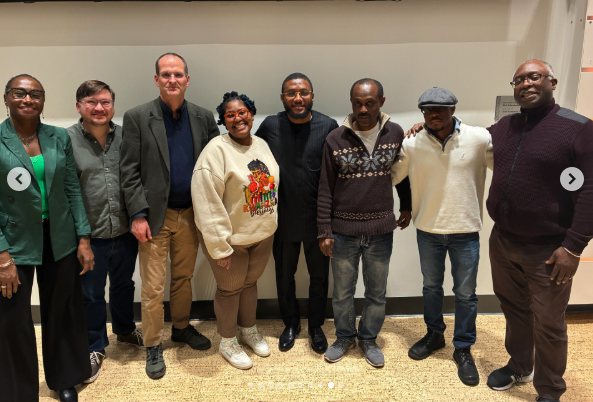
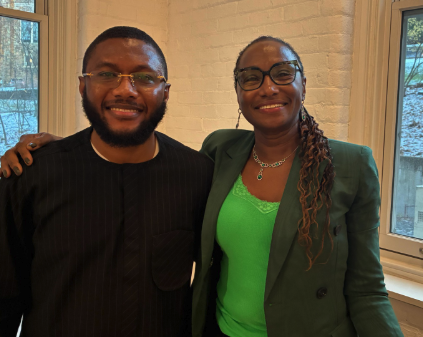
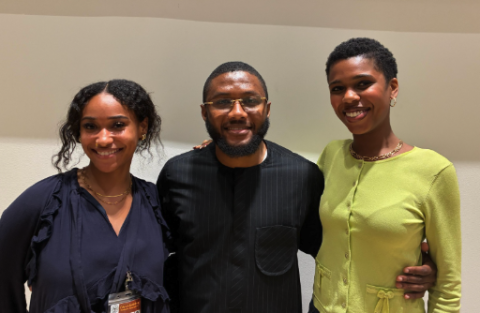
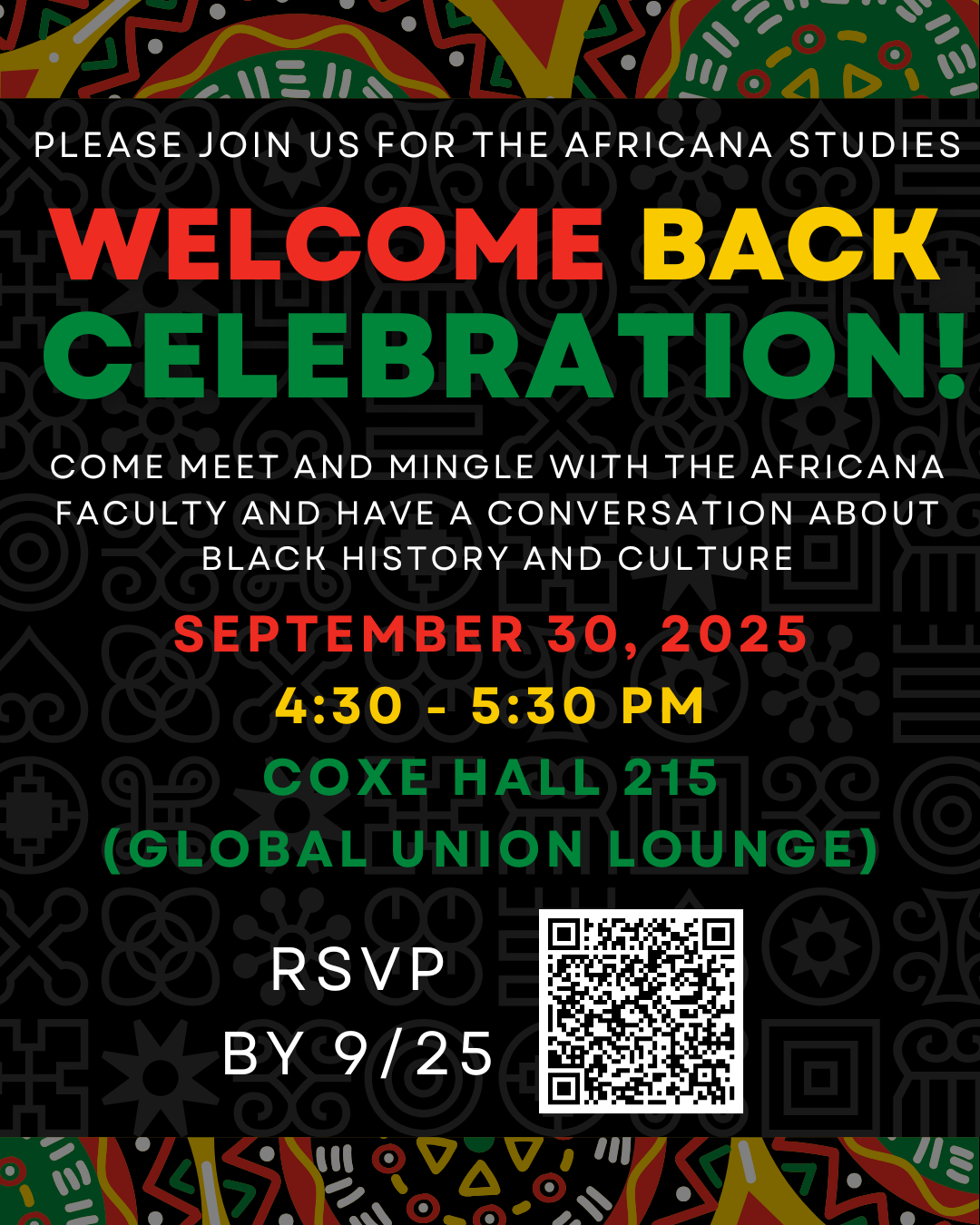
Last Thursday, Africana Studies program faculty, staff and students had a meet and greet to learn about the major and minor. The event ended with a small Kwanzaa celebration! Image …
Come check out over 20 short film by Film 001 students in Maginnes 102 next week! Free food and drinks will be provided.
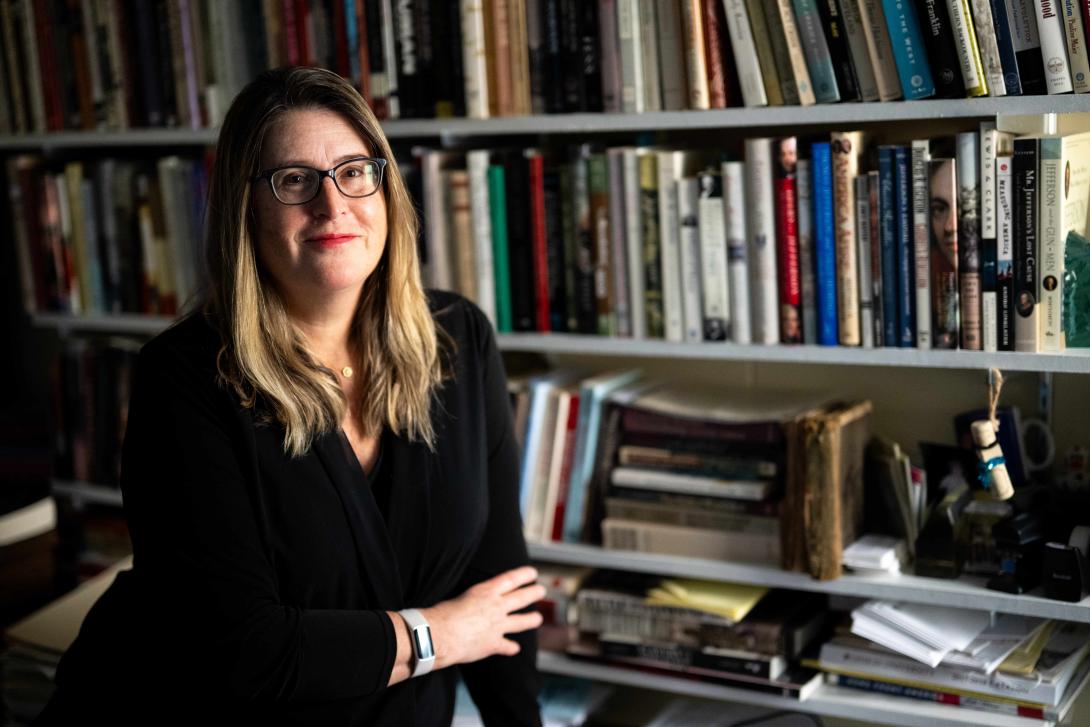
Mary Foltz and local community members establish a historical marker in Kutztown honoring LGBTQ+ artist and activist Keith HaringDespite having lived all over the country, Mary Foltz, associate professor of English and director of Women, Gender, and Sexuality Studies program,…
Despite having lived all over the country, Mary Foltz, associate professor of English and director of Women, Gender, and Sexuality Studies program, has cemented the legacies and stories of many local LBGTQ+ figures through oral histories, public humanities projects and exhibitions. Foltz is the co-director of South Side Initiative (SSI) and received the ACLS Scholars and Society Fellowship thanks to all of her regional history work. The fellowship aims to bring scholars into community organizations and it allowed Foltz to work on a project to honor renowned LGBTQ+ artist and activist Keith Haring.
Ashley Kreitz ’15, who graduated with a minor in Environmental Studies, has raised nearly $10,000 and recruited fellow alumni to help restore damaged homes in North Carolina.Read the full story here >
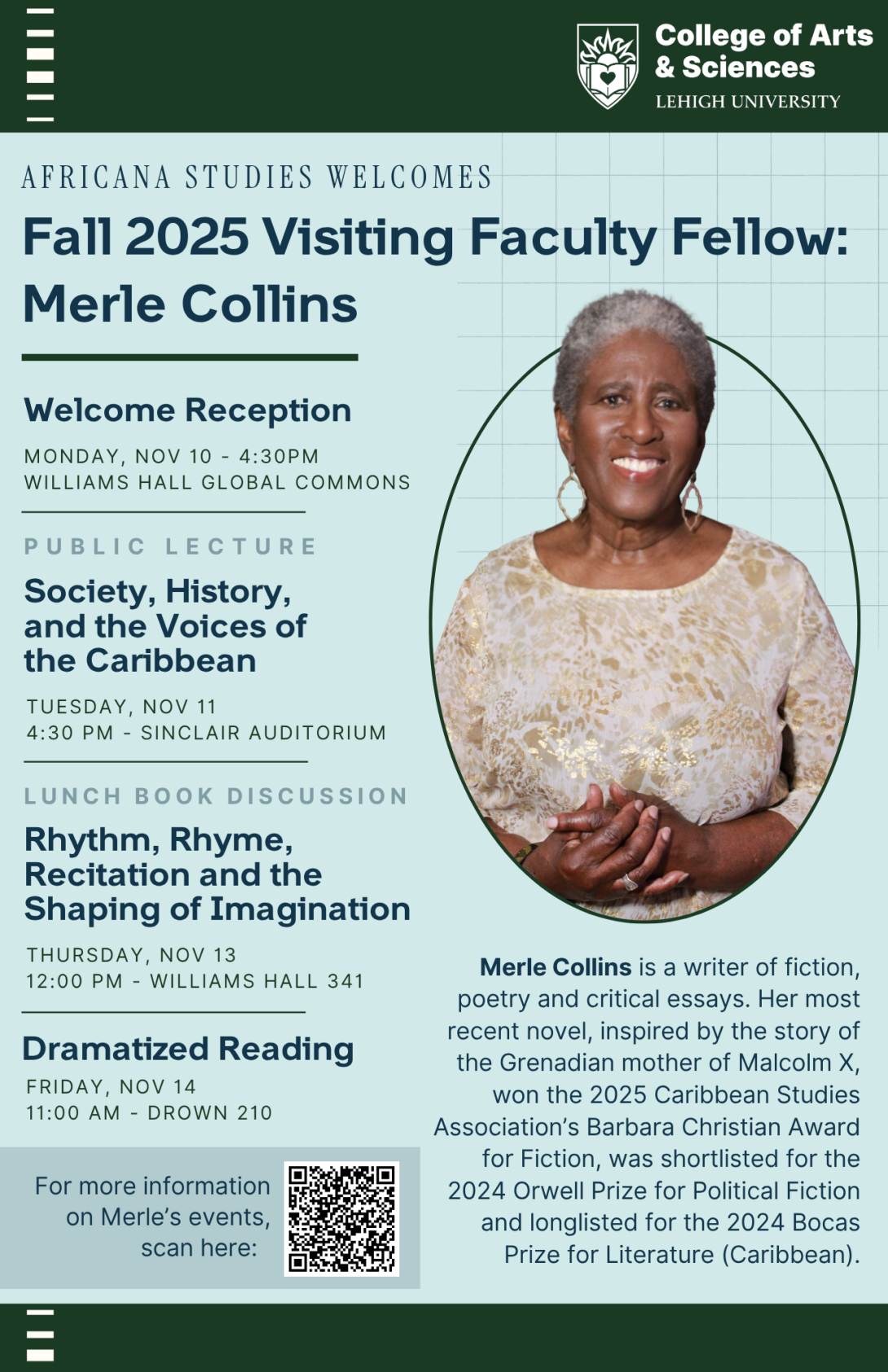
Meet the new director of the Africana Studies program and new faculty member of the English Department Simone A. James AlexanderThis fall, the College of Arts and Sciences welcomes Simone A. James Alexander as the new director of the Africana Studies program and a new faculty…
This fall, the College of Arts and Sciences welcomes Simone A. James Alexander as the new director of the Africana Studies program and a new faculty member in the English department. Alexander brings years of experience as chair and director of Africana Studies from her time at Seton Hall University in New Jersey.
Alexander chose Lehigh because of the opportunities for collaborative work and to engage with different departments. “Lehigh was interested in enhancing Africana in so many ways that I felt that I had something to contribute,” she says. Her research, teaching, and scholarship are sure to expand the program’s diverse and multicultural aspects.
Read the full article on CAS News > >
Global Studies alumna Isabella Insingo's documentary is now LIVE on YouTube! This was Isabella's senior thesis for Global Studies, and offers a moving look at gender dynamics in Bubiita, Uganda.
B. Brian Foster is an ethnographer and multi-medium storyteller working to document and interpret the culture, folklore, and placemaking practices of Black communities in the rural U.S. South. For the last ten years, he has set his work in several towns and small communities in…
B. Brian Foster is an ethnographer and multi-medium storyteller working to document and interpret the culture, folklore, and placemaking practices of Black communities in the rural U.S. South. For the last ten years, he has set his work in several towns and small communities in north Mississippi, where he was born and raised. Brian’s areas of expertise include the sociology of racism and race, place studies, urban/rural sociology, and qualitative methods. His perspective and theoretical orientation are rooted in the histories and paradigms of Black Sociology and the Black Radical Tradition.
Brian has written two books. I Don’t like the Blues: Race, Place, and the Backbeat of Black Life (2020) chronicles the growth and development of blues tourism in the Mississippi Delta. His second book Ghosts of Segregation: American Racism, Hidden in Plain Sight (2024) is a collaborative photo-essay collection featuring the work of award-winning photographer Richard Frishman. Frishman’s hyperpixel photographs document vestiges of racism, oppression, and segregation in the U.S. (e.g., a set of double doors that once was a “Colored Entrance,” the Edmund Pettus Bridge in Selma), and Foster’s essays blend memoir and personal storytelling with ethnographic reporting and sociological analysis to offer piercing commentary on the realities and histories captured by the photographs.
Brian is working on a new book—Casino Town—which interrogates the cultural, environmental, and human impacts of casino development in the Mississippi Delta. He is also building an expansive archive of oral history interviews and photographs focused on the histories and placemaking practices of Black communities in the rural South.
Click here to download the PDF of his visit to Lehigh
October 10, 2024
Trouble in Mind—Theatrical Performance and Talkback
Learn More >
October 11, 2024
We Travel, We Dance, We Make—Film Screening and Talkback
Learn More >
October 15, 2024
Art in Dialogue: Placemaking Practices by Folk Artists from the American South—Walk and Talk
Learn More >
October 17, 2024
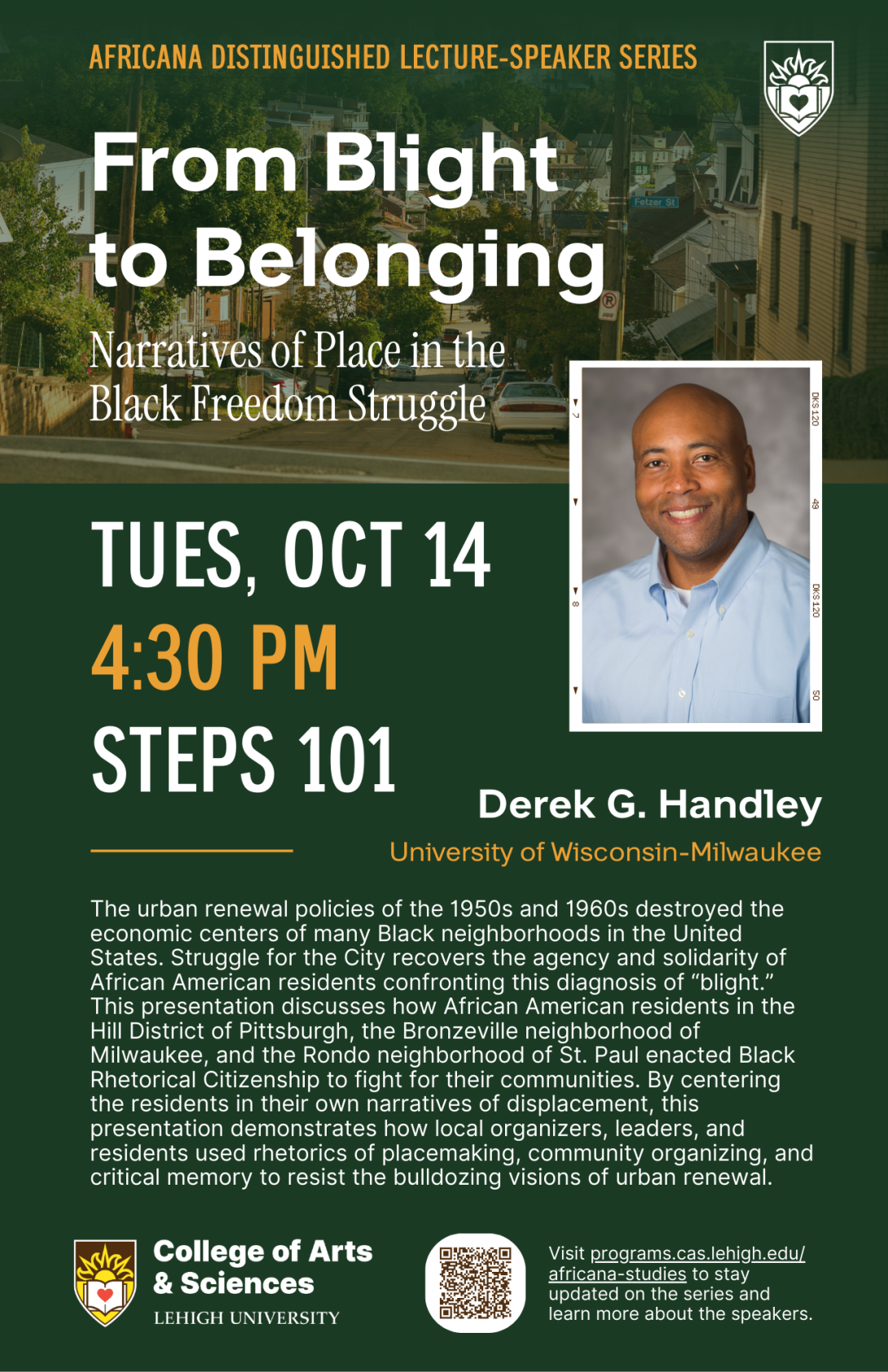
It’s Only Hidden if you Don’t Look: Race, Ghosts, and the Archive—Public Lecture
Learn More >
Suzanne Edwards' edited volume with Matthew X. Vernon highlights women's medievalism which has often been silencedWhen imagining the Middle Ages, jousting arenas, turkey legs, and knights in shining armor often come to mind. However, this masculine, Westernized view of the…
When imagining the Middle Ages, jousting arenas, turkey legs, and knights in shining armor often come to mind. However, this masculine, Westernized view of the medieval period excludes a wealth of diverse narratives and perspectives. Suzanne Edwards is changing that with a volume of essays on women’s medievalism that she’s co-editing with Matthew X. Vernon.
“Medievalism includes representations of the Middle Ages in any moment after the Middle Ages from Spenser’s sixteenth-century The Faerie Queene to the movie Camelot or even Games of Thrones,” Edwards, professor of English, explains, naming a few popular examples. Historically, scholarship on medievalism has often focused on the works of white male authors like Tennyson, T.H. White, and Tolkien.